

National Sun Yat-sen University (36 hour workshop over 18 weeks) 2024
AUTOBIOGRAPHICAL PERFORMANCE
Using your own life experiences to make contemporary performance.
Creative Performance 2 is the second in a suite of four Creative Performance courses for undergraduate Theatre Arts students, convened this year with a focus on Autobiographical Performance.
On this course we think about how ‘self’ can be used as the material for performance. We considered the possibilities of the diary, the confessional, the autobiography, and the self-portrait, in an attempt to understand what is communicated by the ‘I’ in performance practice.
Artists have depicted themselves since the earliest years of cultural production. Examples that survive include ancient Egyptian reliefs. It was in the 15th Century, with the development of better and cheaper mirrors, that artists began to produce self-portraits with greater frequency. In literature, there are examples that are at least as old, and today ‘memoir’ represents a major international market. Many artists have seen a political imperative in the presentation of their own body and experiences.
We will think about how the space of performance can be used as a platform for our own concerns: as a presentation of our skills and as a platform for our voice. After a brief introduction to the use of performance in non-acting based artworks emphasis will be on devising and employing practical strategies for making playful autobiographic performances.
What do want to say with your body and your voice?

Mirror exercises: In this exercise, participants were instructed to memorise as much as possible about their working partner’s face and then describe what they remembered while that subject looked at themselves in the mirror. What do other people see when they look at me?

Clothes swap: In this exercise, groups of participants were photographed, asked to swap clothes, and then rephotographed in the original position, with the clothes being the ‘constant’. What does it mean to wear someone else’s clothes and to temporarily take their place?
After 10 weeks of exercises, participants divided into groups and discussed their commonalities and differences. Alighting upon an area of shared concern, they began to develop informal performances together that were then presented in open rehearsal.
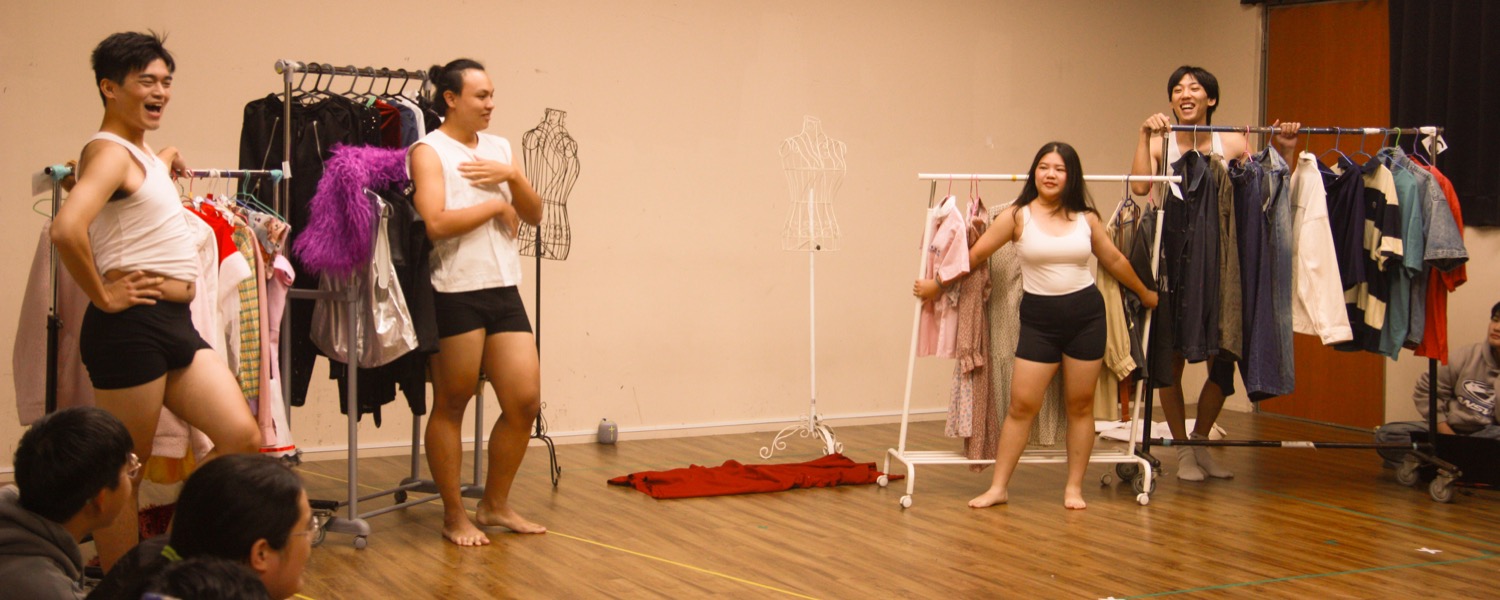
When you think about what your clothes are saying about your gender.
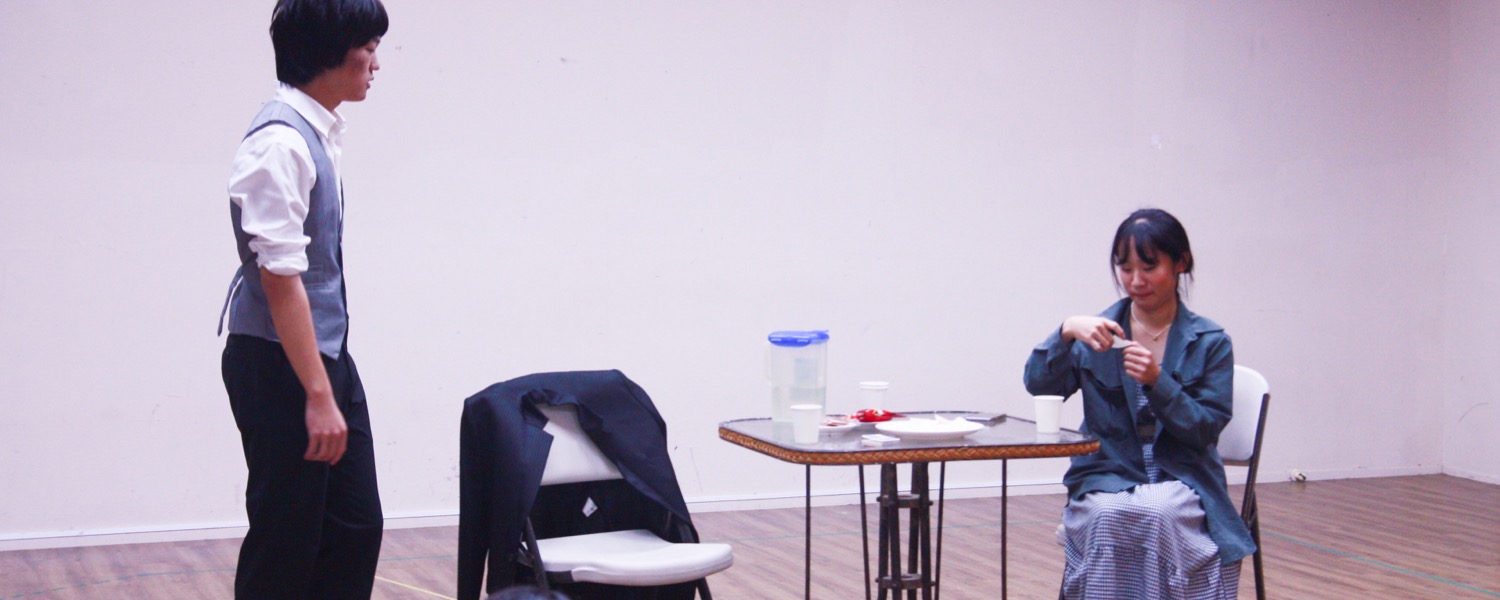
When you are terrible at flirting and ask the audience to give you some suggestions of what you can do better.
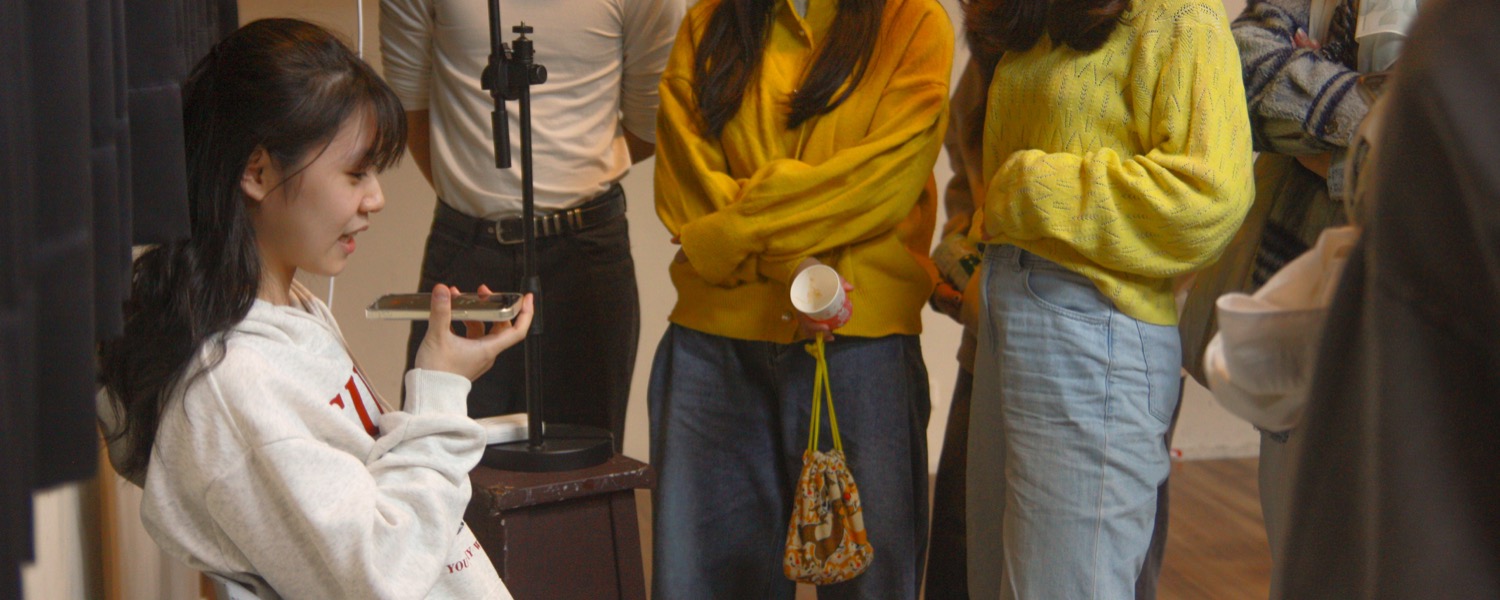
When you miss home and encourage the whole audience to call someone important to them.
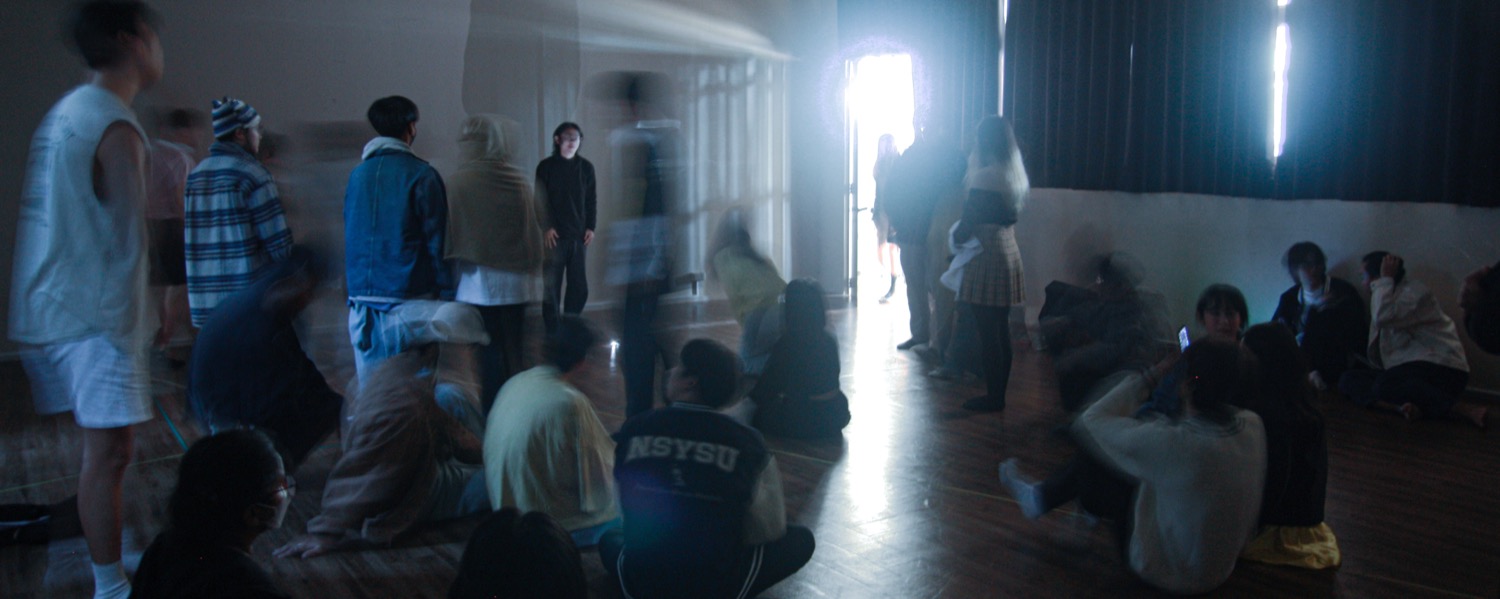
When your brain feels chaotic and you try to make sense of it all in performance.
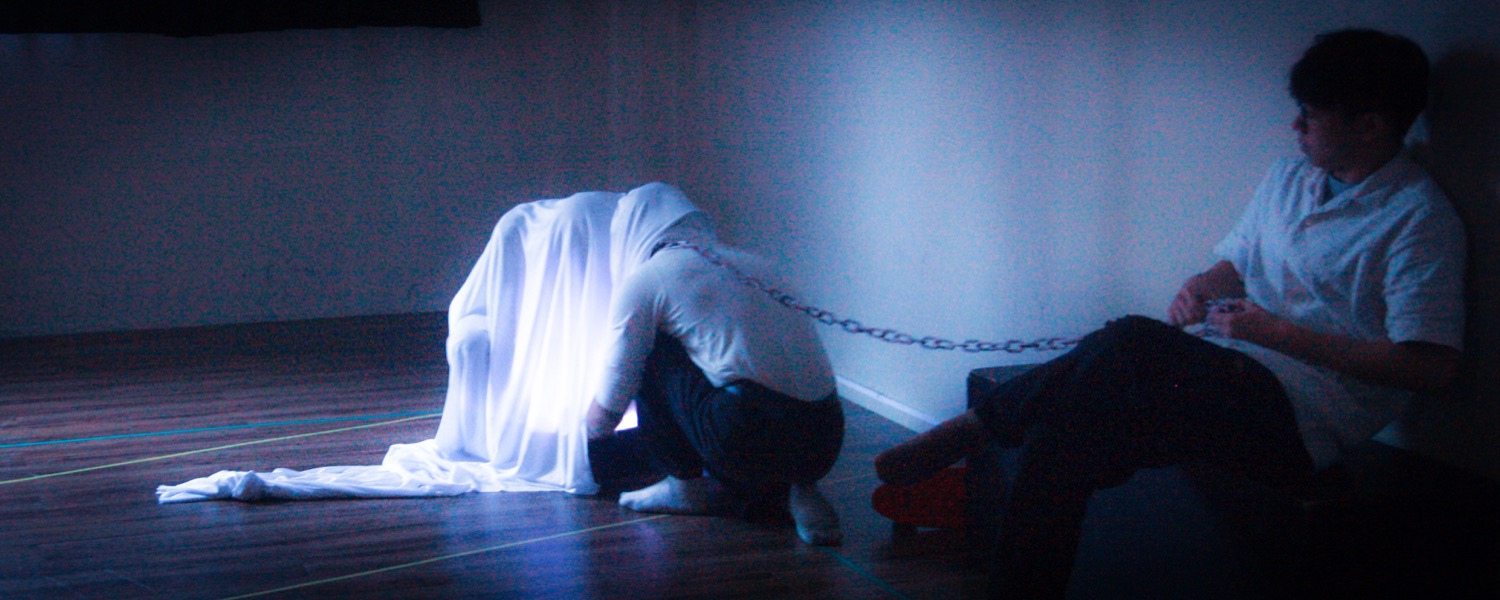
When you are chained to painful memories.
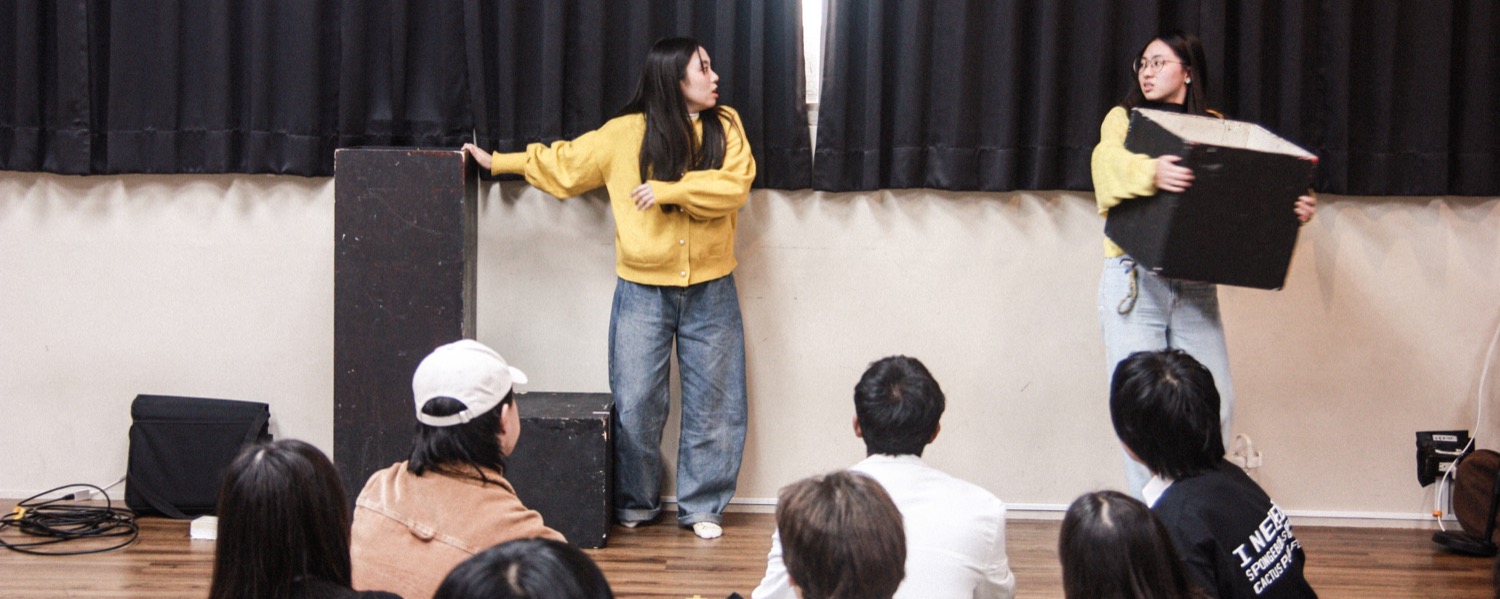
When you feel awkward in social situations and are looking for a way out.
Objectives:
• To experiment with devising and performance techniques.
• To become the creator and subject of your own work.
• To consider the social and political purpose of autobiographical performance.
• To understand your personal boundaries and ethics as a performer.
• To begin to develop confidence in English communication.
Key Texts:
‘Acting and Not-Acting’ by Michael Kirby in The Drama Review Vol.16 No.1 March 1972, reprinted as Chapter 1 of A Formalist Theatre. 1987. Pennsylvania: University of Pennsylvania Press. ISBN 9-780-8122-1334-8
‘Environs of the Image – Deliberation’ by Roland Barthes in The Rustle of Language. 1984. California: University of California Press p.359 ISBN 0-520-06629-4
Autobiography and Performance by Deirdre Heddon. 2008. Basingstoke: Palgrave MacMillan. ISBN 978-0-230-53753-8